

 Boise, ID 83705
 M-F: 8:00am - 9:00pm


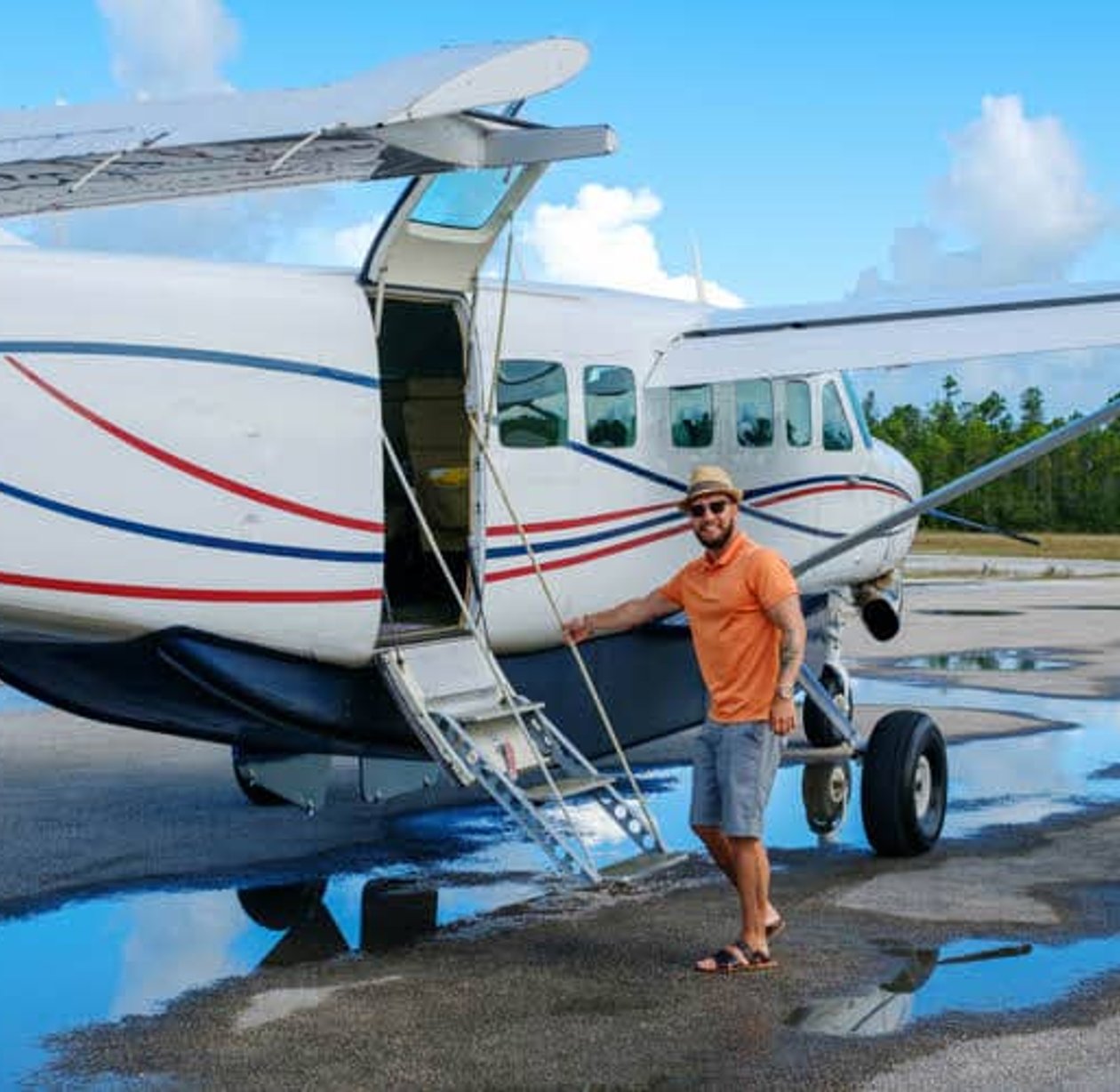
Start Getting Paid to Fly.
The Commercial Pilot License is your ticket to being paid for your skill in the cockpit. Fly cargo, conduct scenic flights, tow banners, perform aerial surveys, or begin your path to the airlines—it's all possible with this certification.
At Carmel Aviation, you'll build time and advanced skills at Boise Airport, learning in real-world, high-traffic environments. Our instructors prioritize your safety, professionalism, and the mastery of complex maneuvers as you transition from student to pro.
- 190+ Minimum Flight Hours for CPL
- 100+ Graduates Flown Commercially
- 15+ CPL Checkrides Passed
- 2 Gold Seal CFI on Staff
- 100% Personalized Scheduling
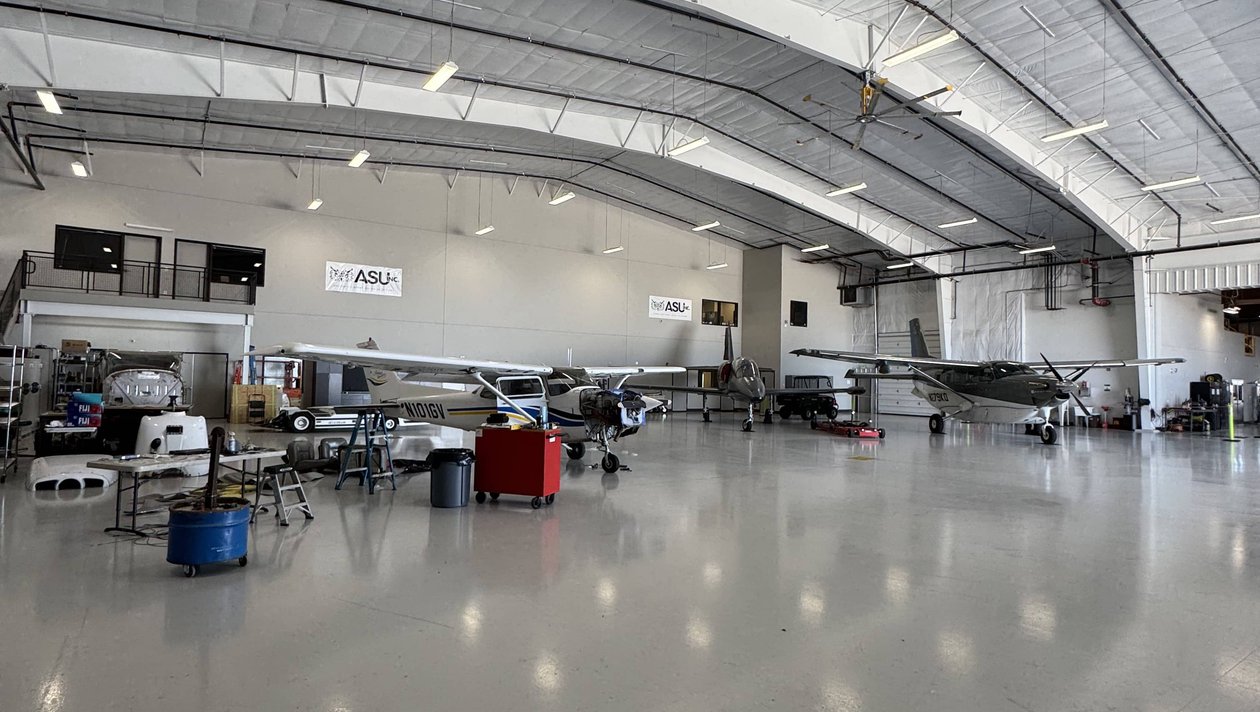
What the Commercial Pilot Course Covers
The FAA requires a minimum of 250 total flight hours for a Commercial certificate under Part 61, including 100 hours as pilot in command and 50 hours of cross-country time. Carmel's training builds those hours with purpose: day flying, night flying, and cross-country routes that develop real command experience.
Schedule A Discovery Flight
190+ Hours of Logged Flight Time
The FAA requires a minimum of 250 total flight hours for a Commercial certificate under Part 61, including 100 hours as pilot in command and 50 hours of cross-country time. Carmel's training builds those hours with purpose: day flying, night flying, and cross-country routes that develop real command experience.

Instrument Training
The Commercial course includes 10 hours of instrument training if you do not already hold an Instrument Rating. If you do hold your IR, that experience counts. Either way, you will be comfortable and competent in IFR conditions before you sit for your Commercial checkride.

Complex or TAA Aircraft Experience
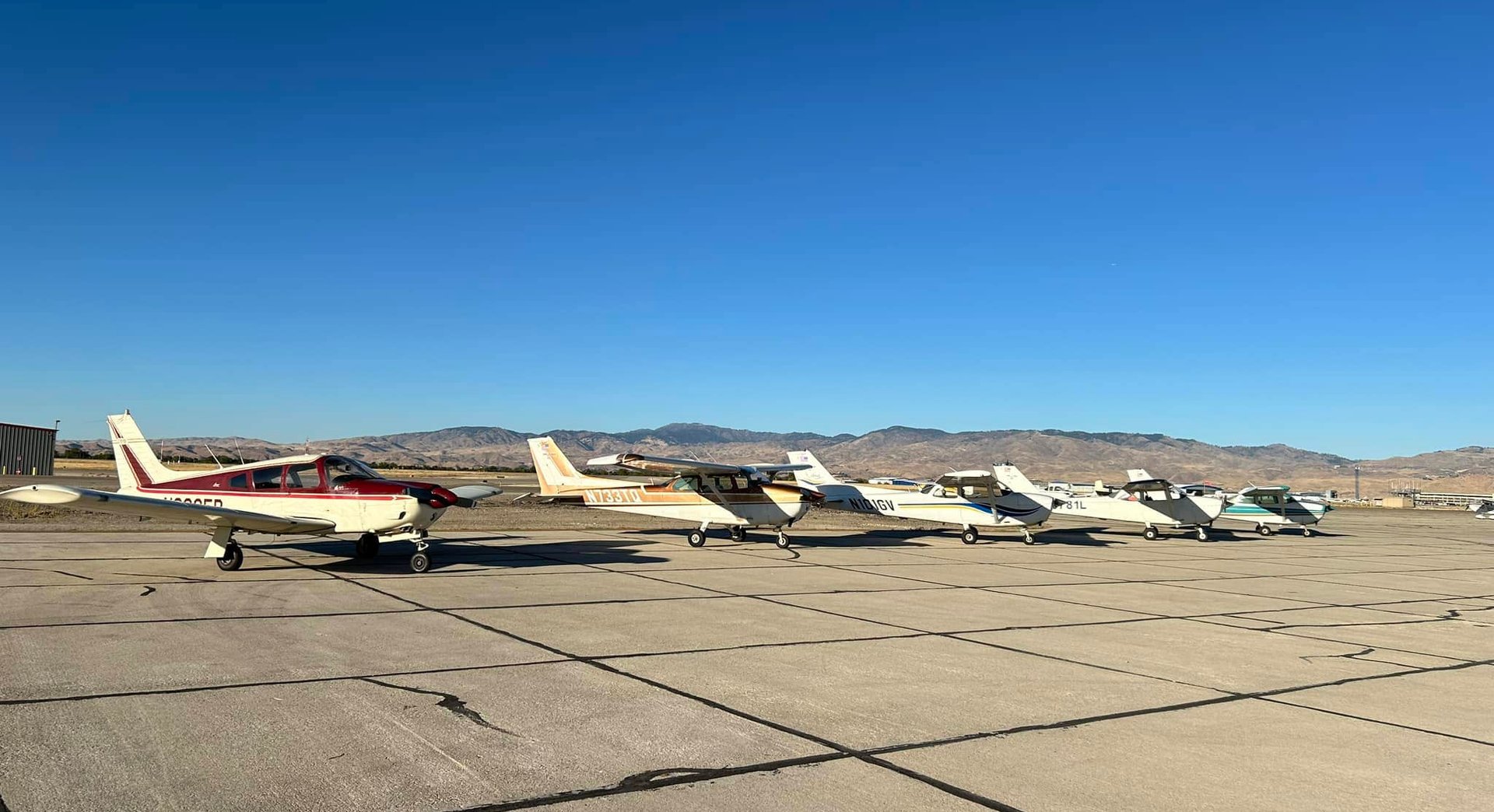
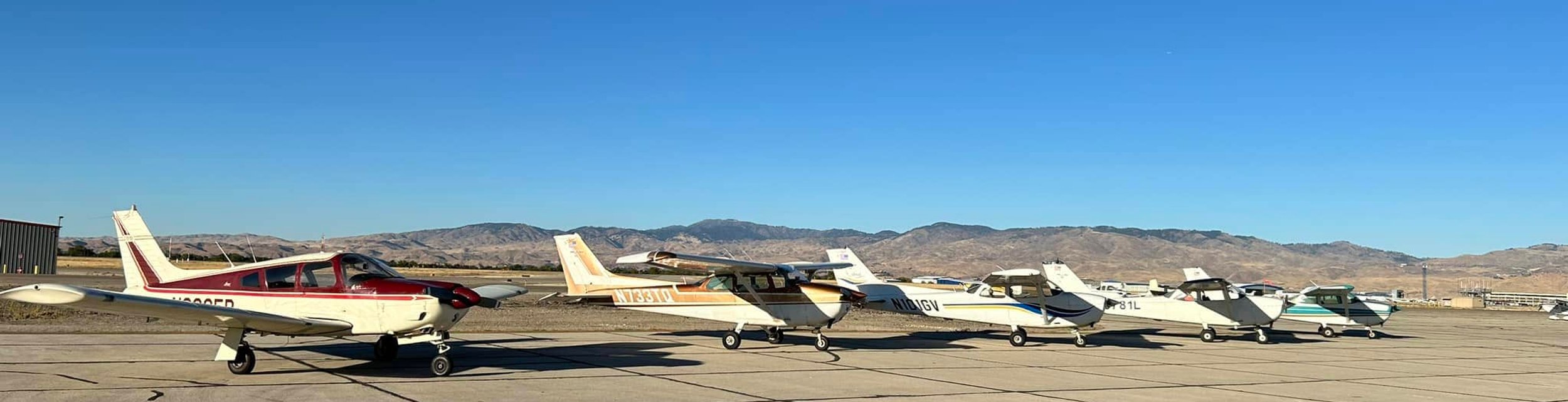
The FAA requires 10 hours of training in a complex aircraft or a technically advanced aircraft (TAA). Carmel's Piper Arrow II (N2865R) is a complex aircraft with retractable landing gear, IFR avionics, and Garmin 430 GPS. Flying the Arrow is one of the most rewarding parts of the Commercial course.

Commercial Checkride
Your Commercial checkride is the most demanding practical test in the general aviation certificate ladder. Your oral exam and flight test will cover maneuver precision, commercial flight procedures, and aeronautical decision making. Carmel's instruction is built to get you there prepared.
Where a Commercial Certificate Takes You
The range of career options available to a Commercial Pilot is broader than most people realize. Here is a cross-section of what becomes available the moment you hold your certificate.
Corporate Pilot
Fly executives and business travelers in private aircraft. Often includes travel to destinations commercial airlines do not serve.
Charter and Air Taxi
Operate on-demand air transportation for passengers or cargo. One of the most flexible and varied commercial flying careers available.
Aerial Work
Aerial surveying, search and rescue, aerial firefighting, wildlife management, and pipeline patrol. Idaho's terrain and industries make this a realistic local opportunity.
Flight Instruction
The most common path for building hours toward an airline career. Carmel actively hires Commercial and CFI graduates from within. Dominic started here as a student. He is now one of our instructors.
Cargo and Freight
Night freight operations are a reliable pathway for Commercial pilots building hours toward ATP minimums. Often a first job out of flight school for career-track students.
Skydive and Air Tour Operations
Jump pilots and air tour operators are in consistent demand in leisure and adventure tourism markets. Both are legitimate early-career Commercial opportunities.
Commercial Pilot License FAQ
The FAA does not technically require an Instrument Rating before beginning Commercial training, but there is an important catch: if you earn your Commercial certificate without an Instrument Rating, your certificate will carry a limitation restricting you from carrying passengers for hire on flights beyond 50 nautical miles or at night. That limitation eliminates most commercial flying opportunities. For any student seriously pursuing a commercial career, the practical answer is yes, get your Instrument Rating first. We will always walk you through the most efficient sequence for your specific goals.
It depends on how many hours you already have logged. Students who come in with their PPL and Instrument Rating and are flying regularly can complete their Commercial training in six to twelve months. The 250-hour total time requirement is the primary pacing factor for most students.
The FAA requires Commercial students to log at least 10 hours of flight time in a complex or technically advanced aircraft (TAA). A complex aircraft is defined as one with retractable landing gear, a controllable-pitch propeller, and flaps. The Piper Arrow II in our fleet meets all three requirements. Training in the Arrow gives you hands-on experience with systems and performance characteristics that go beyond the standard Cessna trainer, and the complex endorsement you earn along the way is also required to rent the Arrow independently after you are licensed. It is one of the most practically useful checkboxes in the Commercial curriculum.
We actively hire from within our own student pipeline. Dominic is the clearest example: he walked through our door as a prospective student, trained with us from the beginning, and we hired him as an instructor after he earned his CFI. If you train here, demonstrate strong teaching ability, and want to stay on as part of the team, we want to have that conversation. The best time to bring it up is before your CFI checkride, not after. We would rather plan for it together than scramble to find a fit after the fact.
Under Part 61, the FAA requires 250 total flight hours, including 100 hours as pilot in command, 50 hours of cross-country time, 10 hours of instrument training, 10 hours in a complex or TAA aircraft, and a night cross-country flight of at least 100 nautical miles. Your instructor will walk you through exactly where you stand and what you need.