

 Boise, ID 83705
 M-F: 8:00am - 9:00pm


Fly When Other Pilots Cannot.
A Private Pilot certificate lets you fly in good weather. An Instrument Rating lets you fly in the rest of it. Clouds, reduced visibility, and the kind of conditions that force other pilots to the ground become manageable when you know how to trust your instruments and work the IFR system.
The Instrument Rating is the single most impactful add-on certificate a Private Pilot can earn. It makes you safer, expands your flying options dramatically, and is a prerequisite for your Commercial certificate. At Carmel Aviation, you earn it at Boise Airport with real IFR avionics, real approaches, and instructors who know how to teach it.
- 100+ Students Trained
- 30 Checkride Passes
- 19 First Solos
- 2 Gold Seal CFI on Staff
- 15 Private Pilots Certified
What the Instrument Rating Course Covers
The Instrument Rating builds on your Private certificate and takes you deeper: into the world of flying by reference to instruments, on real instrument approaches, with real IFR avionics at Boise Airport.
Schedule A Discovery Flight
40+ Hours of Instrument Time
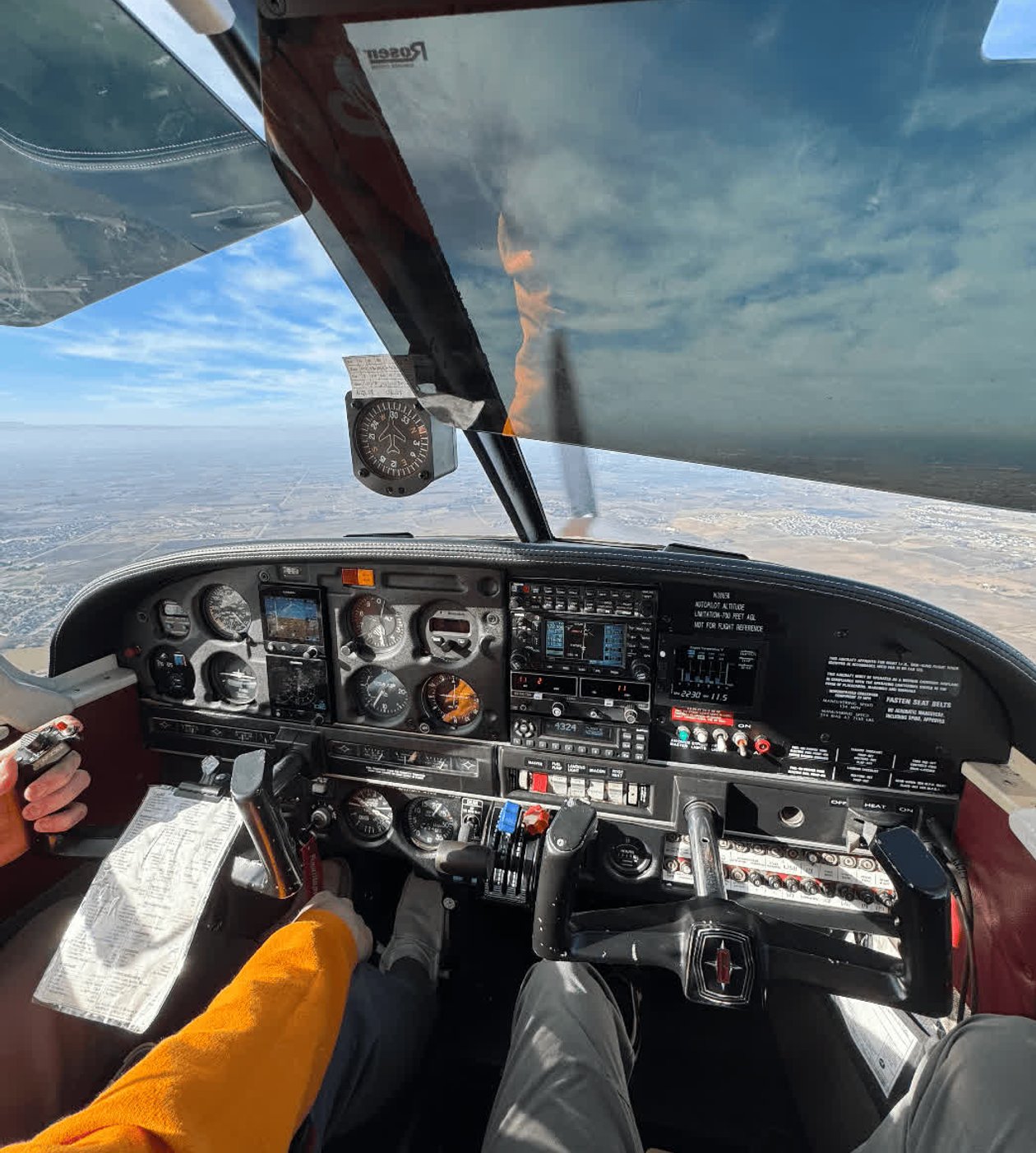
The FAA requires a minimum of 50 hours of cross-country flight time as pilot in command and 40 hours of actual or simulated instrument time. You build that time in our IFR-equipped Cessna Skyhawk with dual Garmin G5 displays and Garmin 430 WAAS, or in our Redbird LD flight simulator.
Instrument Flight Rules and Procedures
You learn to navigate by instruments alone: attitude, heading, altitude, airspeed. You study IFR flight planning, instrument approaches, holding patterns, departure and arrival procedures, and how to read and respond to aviation weather.

Cross-Country IFR Flight
Your training includes a cross-country flight under instrument flight rules with instrument approaches at the destination. You will file the flight plan, talk to ATC throughout, and fly the approach. By the time you do it for your checkride, you will have done it before.

FAA Instrument Checkride
The instrument checkride is an oral exam followed by a practical flight test in actual or simulated IMC. Carmel's Gold Seal instructor prepares you thoroughly. You will not show up to your checkride hoping.
What Changes When You Are Instrument Rated?
The Instrument Rating is not just about flying in bad weather. It fundamentally changes how you think and operate as a pilot.
Real Safety Margin
Spatial disorientation and inadvertent IMC entry are among the leading causes of fatal general aviation accidents. Instrument trained pilots know how to recognize, enter, and fly through the conditions that claim unrated pilots.
Dramatically Expanded Range
Weather that would ground a VFR-only pilot becomes a non-issue. You can fly planned trips with far more reliability, file IFR when conditions are marginal, and complete routes that a visual-only pilot simply cannot.
Required for Commercial
If your goal is a Commercial Pilot certificate, the Instrument Rating is a required stepping stone. Earning it as part of your natural progression toward a commercial career is the most efficient path forward.
Year-Round IFR Training With Our Redbird Simulator
Carmel Aviation operates a Redbird LD non-motion flight simulator, available year-round at $50 per hour after an initial one-hour checkout with an instructor. For instrument training specifically, the simulator is an exceptional tool. You can practice approaches, holds, and emergency procedures in any simulated weather condition without leaving the ground or burning fuel. Idaho summers are hot and Idaho winters bring IFR conditions. The Redbird keeps your training moving regardless of what is happening outside.
Schedule Simulator Training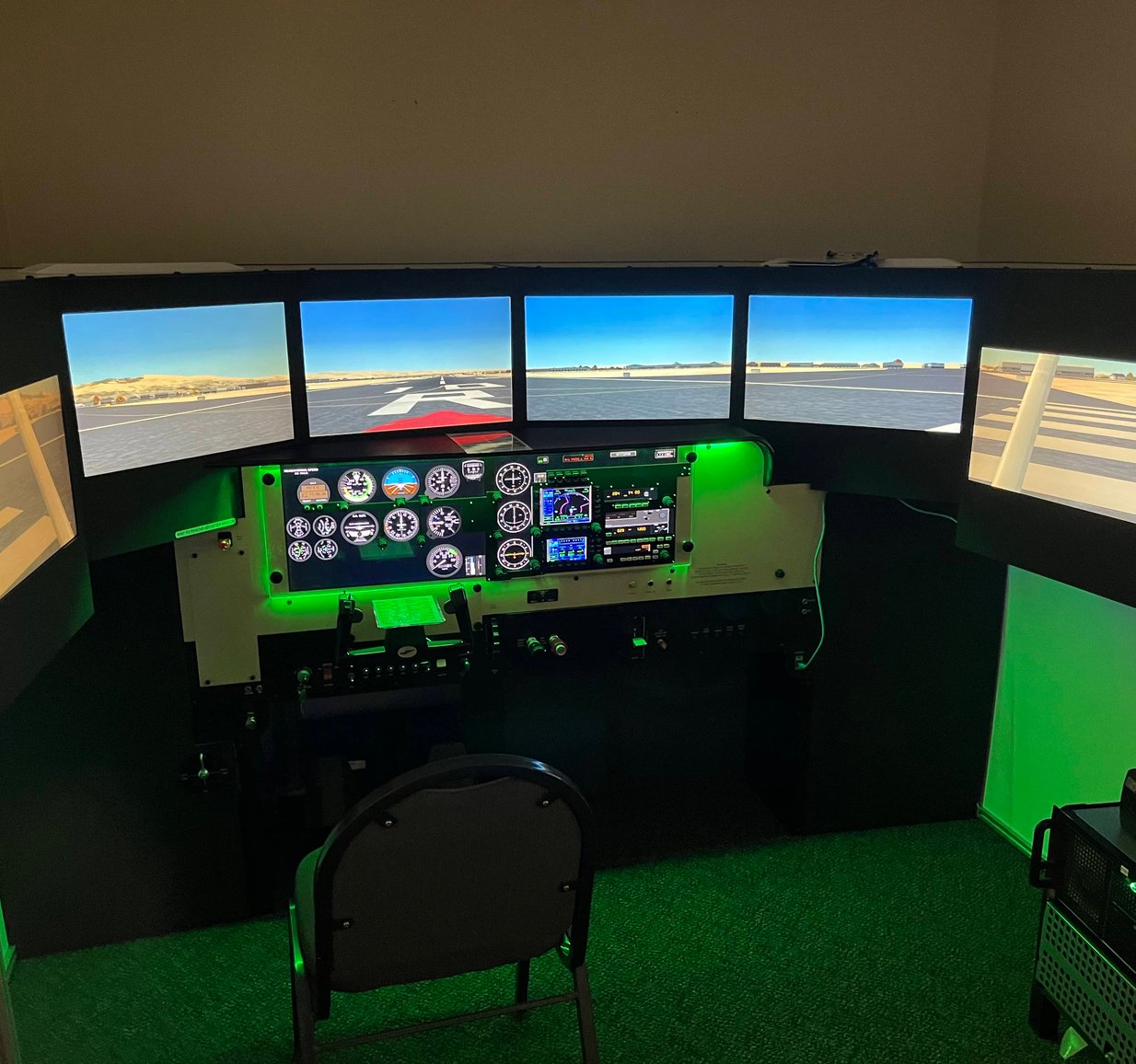
Instrument Rating FAQ
Yes. The FAA requires you to hold at least a Private Pilot License before you can be issued an Instrument Rating. You cannot complete your IR training and take the checkride as a student pilot. If you are currently working toward your PPL, the good news is that some of the ground knowledge overlaps, and your instructor can begin introducing instrument concepts during PPL training so you are already thinking in the right direction before you formally start IR work.
Most students complete their Instrument Rating in three to six months training part-time alongside their other responsibilities. Frequency of training is the primary factor. Students who fly two to three times per week move significantly faster than those who fly once per week.
Yes. Our Redbird LD flight simulator can count toward a portion of your instrument training hours when flown with a Carmel Aviation CFII. Under Part 61, up to 20 hours of your 40-hour instrument time requirement can be logged in an approved training device with an authorized instructor present. Simulator time is also significantly less expensive than aircraft time, which makes it a smart way to build and reinforce instrument procedures before applying them in the aircraft.
IMC stands for Instrument Meteorological Conditions. It refers to weather conditions below the visibility and cloud clearance minimums required for Visual Flight Rules (VFR) flying. In practical terms, IMC means clouds, fog, precipitation, or reduced visibility that would prevent a VFR pilot from flying safely by outside reference alone. An instrument-rated pilot flying under Instrument Flight Rules (IFR) is trained and certified to fly in IMC using cockpit instruments rather than visual reference to the ground or horizon. Earning your Instrument Rating means IMC no longer grounds you.
It is not technically required by the FAA for a Commercial certificate, but it is a practical necessity for most commercial flying and is strongly recommended. Carmel's CFI course also strongly recommends it. We will always advise you on the most efficient path for your specific goals.