


 Boise, ID 83705
 Mon-Sat: 9am-4pm

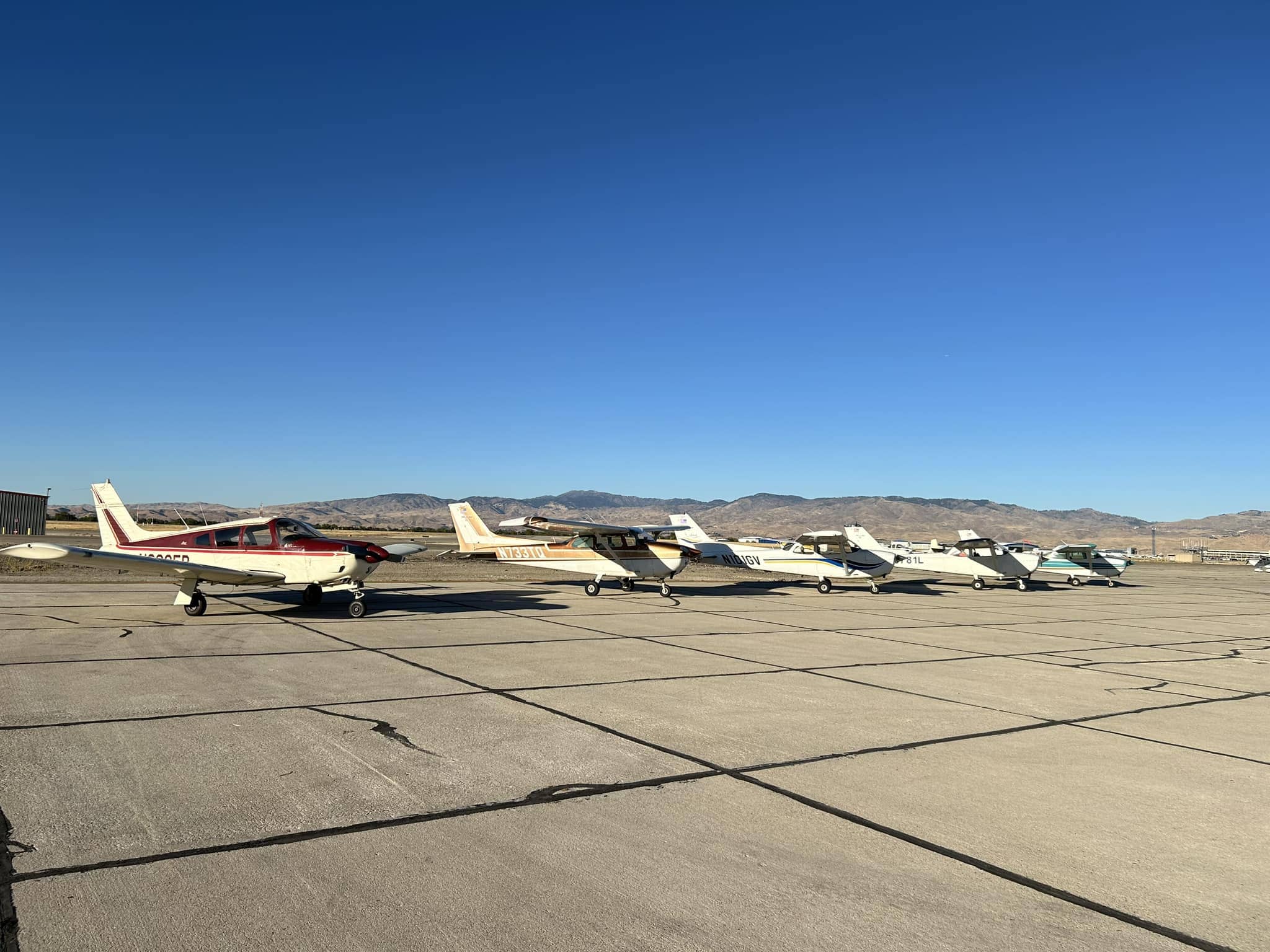

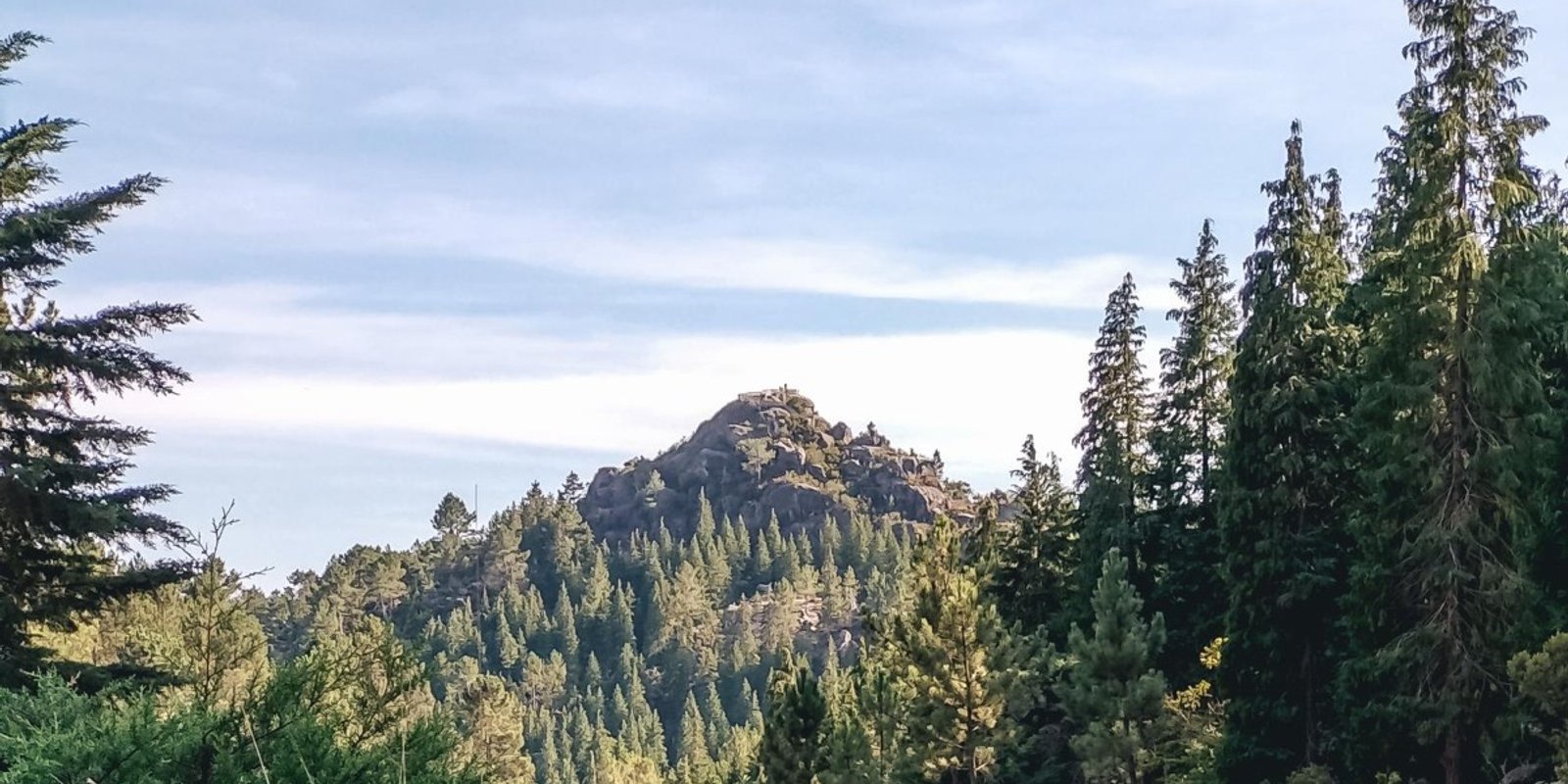

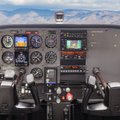
Flying in the Idaho backcountry can be some of the most challenging yet freeing experiences you can have in general aviation. The combination of mountain weather, narrow canyons, high-density altitude, and rough strips demands precision and humility. At the same time, few experiences compare to dropping into a remote grass airstrip surrounded by pine-covered ridges, shutting down the engine, and hearing nothing but wind in the trees and the river below.
Flying Where Roads Don't Go
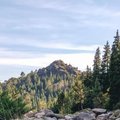
Idaho's backcountry is unlike almost anywhere else in the lower 48. Hundreds of miles of wilderness stretch across the state's central mountains, cut by rivers and steep canyons that often leave aviation as the only practical way in or out. For pilots, that means access to places most people will never see.
The appeal isn't just the scenery, it's the sense of independence. In an hour, you can leave paved runways and traffic patterns behind and land at strips carved into mountain valleys by miners, ranchers, and Forest Service crews decades ago. Places like Johnson Creek, Big Creek, Smiley Creek, and Idaho City have become legendary among backcountry pilots for good reason. Every landing feels earned.
But Idaho backcountry flying is not sightseeing from a higher altitude. It is mountain flying in its purest form, and the mountains demand respect.
The Challenge of Mountain Flying
Backcountry strips are rarely forgiving, many are one-way in and one-way out. Some sit at elevations where density altitude can rob an airplane of climb performance long before a pilot realizes what's happening. Others are tucked into narrow valleys where a poor approach leaves little room for correction.
Weather changes quickly in Idaho's mountains. A calm morning can turn turbulent by afternoon as thermals build over canyon walls. Winds may appear light at nearby airports while creating severe downdrafts and rotor activity over ridgelines. Pilots learn quickly that mountain weather is local, dynamic, and often unpredictable.
Then there's the runway itself. Grass, dirt, uneven surfaces, soft spots, uphill grades, and short-field operations are all part of the experience. Precision matters. Energy management matters. Judgment matters most of all.
The best backcountry pilots are rarely the boldest. They're the ones willing to turn around, delay a flight, or skip a landing entirely when conditions aren't right.
Why Pilots Keep Coming Back
Despite the risks and challenges, Idaho backcountry flying has a way of pulling people back year after year. Part of it is the adventure, and every flight feels unique. There are no airline gates, no schedules, and no crowds. Just a pilot, an airplane, and terrain that demands focus.
There's also a strong sense of community among backcountry aviators. Campfires at Johnson Creek often bring together pilots from all over the country, swapping stories about weather, close calls, and favorite strips. New pilots learn from experienced mountain flyers, and there's a shared understanding that nobody masters backcountry flying alone.
Most importantly, flying the Idaho backcountry reconnects many pilots with the original spirit of aviation. It strips away routine and replaces it with real decision-making, skill, and exploration. Every approach requires attention. Every departure requires planning.
Respect the Mountains
Backcountry flying is rewarding precisely because it is demanding. Idaho's terrain does not care how many hours are in a logbook or what aircraft you fly. Conditions can change rapidly, and mistakes can become serious very quickly.
That's why training matters. Mountain flying courses, mentorship from experienced backcountry pilots, and conservative decision-making are essential. Pilots who thrive in the Idaho backcountry are usually the ones who approach it with humility.
Because in the end, the goal is not just to land at a remote strip. It's to fly home with stories worth telling and the desire to do it all again.
And once you've watched the morning sun spill into an Idaho canyon from the cockpit of a small airplane, it becomes easy to understand why so many pilots consider backcountry flying the purest form of general aviation.
Learn to Fly the Idaho Backcountry
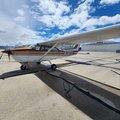
For pilots interested in building the skills and confidence needed for mountain and backcountry operations, Carmel Aviation is beginning a dedicated backcountry flying course focused on real-world Idaho backcountry operations. The program is designed to help pilots learn mountain weather decision-making, canyon flying techniques, short- and soft-field operations, density altitude management, and the unique considerations that come with flying remote airstrips safely.
Whether you are completely new to backcountry flying or looking to sharpen your mountain flying skills, the course will provide hands-on instruction in some of the most rewarding flying environments in the country.